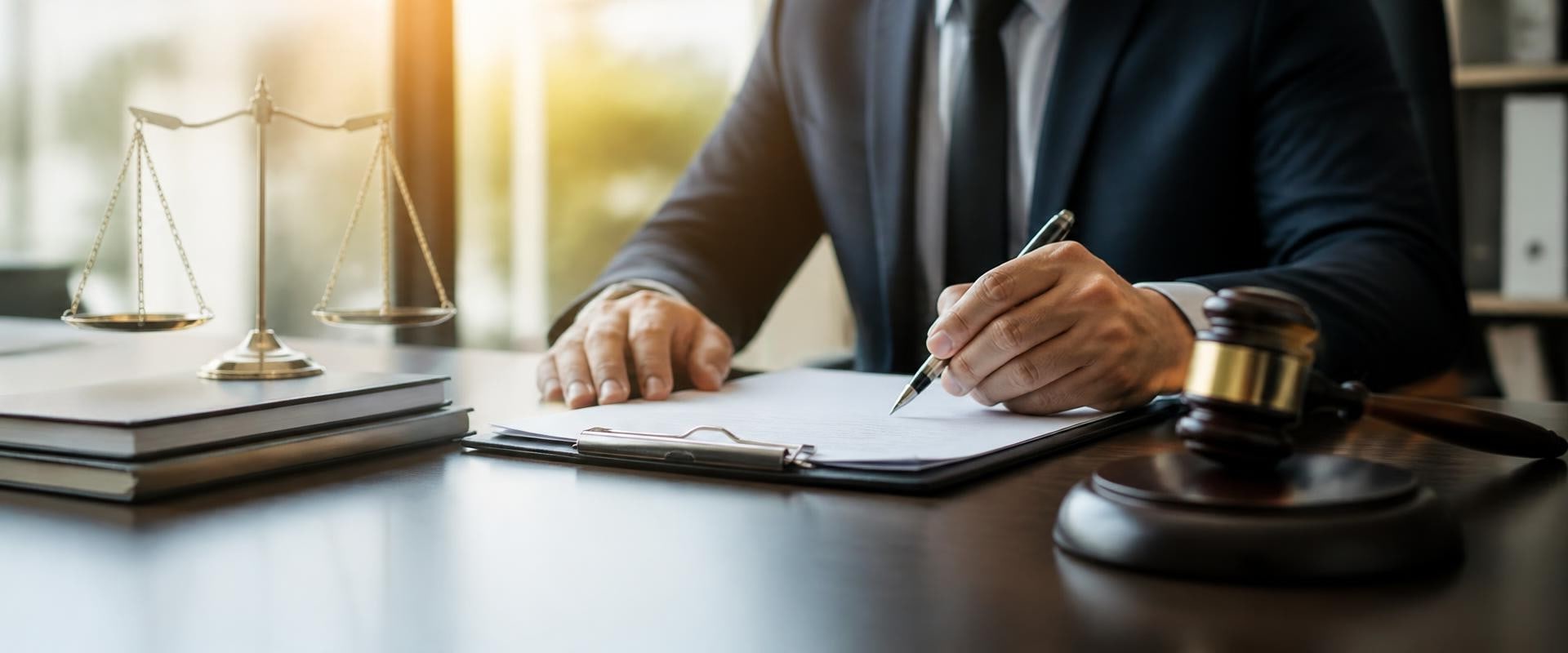
Commercial litigation refers to the legal disputes that arise in the course of business operations. These disputes can involve a variety of issues, including contracts, partnerships, intellectual property, and employment matters. Understanding the nuances of commercial litigation is essential for businesses of all sizes, as it can significantly impact their financial health and reputation. There are several types of commercial litigation that businesses may encounter. Contract disputes are among the most common, where one party alleges that another has failed to fulfill their contractual obligations.
Other types include shareholder disputes, fraud claims, and disputes over business torts such as unfair competition or misrepresentation. Each type presents unique challenges and requires tailored legal strategies to navigate effectively. Recognizing the importance of understanding commercial litigation cannot be overstated. For businesses, being informed about potential legal pitfalls allows them to take proactive measures to mitigate risks. This foundational knowledge not only prepares companies for possible disputes but also equips them with the tools necessary to foster better relationships with partners and clients.
Ultimately, a solid grasp of commercial litigation can serve as a safeguard against costly legal battles and help maintain a company’s integrity in the marketplace.
The Importance of Preventive Measures
In today's competitive business landscape, preventive measures are not just advisable; they are essential for safeguarding against commercial litigation. By implementing proactive strategies, businesses can significantly reduce their risk of facing costly legal disputes.One of the primary reasons for adopting preventive measures is the cost-effectiveness they offer. Engaging in litigation can drain financial resources, divert attention from core business activities, and damage a company's reputation. In contrast, investing in risk management practices can lead to substantial savings in the long run.- Establish Clear Contracts: Well-drafted contracts can clarify expectations and responsibilities, minimizing misunderstandings that often lead to disputes.
- Regular Training: Providing employees with training on compliance and ethical practices helps create a culture of accountability and reduces the likelihood of legal issues arising.
- Effective Communication: Maintaining open lines of communication with clients and stakeholders can help address concerns before they escalate into formal complaints.
- Legal Audits: Conducting regular legal audits allows businesses to identify potential vulnerabilities and rectify them before they result in litigation.
They foster a positive business environment, enhance stakeholder trust, and contribute to overall organizational resilience. By prioritizing risk management, businesses not only protect themselves from potential lawsuits but also position themselves for sustainable growth and success.
Establishing Clear Contracts and Agreements
In the realm of commercial litigation, the significance of well-drafted contracts cannot be overstated. Clear and comprehensive contracts serve as the foundation for business relationships, outlining the rights and responsibilities of each party involved. By establishing these parameters, businesses can significantly reduce the likelihood of misunderstandings that often lead to disputes and, ultimately, litigation.Importance of Contracts:
Contracts are not merely formalities; they are essential tools for risk management.A well-structured contract provides clarity on key aspects such as payment terms, delivery schedules, and performance expectations. This clarity helps prevent conflicts by ensuring that all parties have a mutual understanding of their obligations.
Drafting Contracts:
When drafting contracts, businesses should consider including the following elements:- Clear Definitions: Define all key terms to avoid ambiguity.
- Scope of Work: Clearly outline what is expected from each party.
- Payment Terms: Specify payment amounts, due dates, and methods.
- Dispute Resolution Clause: Include mechanisms for resolving disputes without litigation, such as mediation or arbitration.
- Termination Conditions: Clearly state how either party can terminate the agreement.
By ensuring that all parties are on the same page from the outset, companies can foster stronger relationships and minimize legal risks.
Implementing Strong Compliance Programs
In today's complex legal landscape, compliance programs play a crucial role in helping businesses mitigate the risks associated with commercial litigation. By establishing a robust compliance framework, organizations can not only adhere to legal requirements but also foster a culture of integrity and accountability.Key Components of Effective Compliance Programs
- Risk Assessment: Conducting regular risk assessments is essential for identifying potential legal vulnerabilities. This process involves evaluating the specific risks associated with your industry, operations, and regulatory environment.
- Policies and Procedures: Developing clear and comprehensive policies is vital. These should outline the standards of conduct expected from employees and provide guidelines for compliance with applicable laws and regulations.
- Training and Education: Regular training sessions ensure that employees understand their compliance obligations.
This not only helps in preventing violations but also empowers staff to recognize and report potential issues.
- Monitoring and Auditing: Implementing ongoing monitoring mechanisms allows businesses to track compliance efforts effectively. Regular audits can help identify areas for improvement and ensure adherence to established policies.
- Reporting Mechanisms: Establishing confidential reporting channels encourages employees to report unethical behavior or compliance breaches without fear of retaliation. This transparency is key to maintaining a compliant workplace.
Training Employees on Legal Risks and Responsibilities
In today's complex business environment, training employees on legal risks and responsibilities is essential for mitigating the potential for commercial litigation.Employees are often the first line of defense against legal issues, and their understanding of legal obligations can significantly impact a company's risk exposure.
Effective training programs
should cover a variety of topics, including:- Understanding Contracts: Employees should be educated on the basics of contract law, including how to recognize binding agreements and the implications of breaching them.
- Compliance with Regulations: Training should include an overview of relevant laws and regulations that affect the business, such as employment law, consumer protection laws, and industry-specific regulations.
- Intellectual Property Rights: Employees must understand the importance of protecting the company’s intellectual property and respecting others’ rights to avoid infringement claims.
- Workplace Conduct: Educating employees about harassment, discrimination, and ethical behavior can help prevent lawsuits related to workplace issues.
- Interactive Workshops: Engaging employees through workshops allows for real-time discussions and scenario-based learning.
- Online Training Modules: Offering flexible online courses can help employees learn at their own pace while ensuring they have access to essential information.
- Regular Updates: Legal landscapes change frequently; therefore, ongoing training sessions should be scheduled to keep employees informed about new laws and regulations.
Utilizing Alternative Dispute Resolution (ADR)
In the realm of commercial litigation, businesses often face the daunting prospect of lengthy and costly court battles. However, utilizing Alternative Dispute Resolution (ADR) methods can provide a more efficient and amicable way to resolve disputes. ADR encompasses various techniques, primarily mediation and arbitration, which can significantly mitigate the risks associated with traditional litigation.Mediation
Mediation involves a neutral third party who facilitates discussions between the disputing parties to help them reach a mutually acceptable agreement.This method is particularly beneficial because:
- Cost-Effective: Mediation typically incurs lower costs than litigation, as it requires less time and fewer resources.
- Confidentiality: Unlike court proceedings, which are public, mediation sessions are private, allowing businesses to protect sensitive information.
- Control: Parties maintain control over the outcome, as they work collaboratively to find a solution rather than having a judge impose one.
Arbitration
Arbitration is another popular ADR method where a neutral arbitrator hears both sides of the dispute and makes a binding decision. The advantages of arbitration include:- Speed: Arbitration can be scheduled more quickly than court trials, leading to faster resolutions.
- Expertise: Parties can choose arbitrators with specific expertise relevant to their industry or dispute, ensuring informed decision-making.
- Finality: Arbitration decisions are generally final and not subject to appeal, providing closure for both parties.
Regular Legal Audits and Risk Assessments
In the realm of commercial litigation, proactive measures can significantly reduce the risk of disputes escalating into costly legal battles.One of the most effective strategies is conducting regular legal audits and risk assessments. These processes help businesses identify vulnerabilities in their operations, contracts, and compliance with regulations.
Importance of Legal Audits
- Identify Compliance Gaps: Regular audits can uncover areas where a business may not be adhering to industry regulations or legal standards, which could lead to litigation.
- Evaluate Contracts: Reviewing contracts for clarity and enforceability can prevent misunderstandings that often result in disputes.
- Assess Internal Policies: Ensuring that internal policies align with legal requirements can mitigate risks associated with employee conduct and operational practices.
Conducting Risk Assessments
A comprehensive risk assessment involves evaluating potential threats to your business. Here’s a framework to guide you:
- Identify Risks: List all potential risks related to your business operations, including financial, operational, and reputational risks.
- Analyze Impact: Assess the potential impact of each risk on your business. Consider both the likelihood of occurrence and the severity of consequences.
- Develop Mitigation Strategies: For each identified risk, create strategies to minimize its impact.
This could involve revising contracts, enhancing compliance training, or implementing new operational procedures.
- Monitor and Review: Regularly revisit your risk assessments and audits to ensure they remain relevant as your business evolves and as new regulations emerge.
Building Strong Relationships with Legal Counsel
In the realm of commercial litigation, having a strong relationship with legal counsel is not just beneficial; it is essential. A trusted attorney can provide invaluable guidance, helping businesses navigate the complexities of potential disputes before they escalate into costly litigation.Choosing the Right Lawyer for Your Business
- Specialization: Look for an attorney who specializes in commercial litigation. Their expertise will ensure they are well-versed in the nuances of business law and can offer tailored advice.
- Experience: Consider the lawyer's track record. An attorney with extensive experience in handling cases similar to yours will be more adept at anticipating challenges and crafting effective strategies.
- Communication: Choose a lawyer who communicates clearly and promptly.
A good attorney should be able to explain complex legal concepts in a way that you can understand, ensuring you are always informed about your case.
- Compatibility: Establishing a rapport with your legal counsel is crucial. You should feel comfortable discussing sensitive issues and confident in their ability to represent your interests.
Benefits of Legal Counsel
- Proactive Risk Management: A strong relationship with legal counsel allows businesses to identify potential risks early on, enabling them to take preventive measures before disputes arise.
- Strategic Guidance: Legal counsel can provide strategic advice on contracts, negotiations, and compliance, reducing the likelihood of litigation.
- Effective Representation: In the event that litigation becomes unavoidable, having a lawyer who understands your business and its goals will ensure that your interests are effectively represented in court.
FAQs About Commercial Litigation Protection Strategies
When it comes to commercial litigation, businesses often have numerous questions regarding how to safeguard themselves effectively. Below are some frequently asked questions that can help clarify common concerns.What are the most common causes of commercial litigation?
Businesses may face commercial litigation due to various reasons, including:- Contract disputes: Issues arising from the interpretation or enforcement of contracts.
- Intellectual property disputes: Conflicts over trademarks, copyrights, or patents.
- Employment issues: Claims related to wrongful termination, discrimination, or wage disputes.
- Partnership disputes: Conflicts between business partners regarding management or profit-sharing.
How can businesses prevent commercial litigation?
Preventing commercial litigation requires proactive measures.Here are some strategies:
- Clear contracts: Ensure all agreements are well-drafted and clearly outline the rights and responsibilities of each party.
- Regular legal audits: Conduct periodic reviews of business practices and contracts to identify potential legal risks.
- Effective communication: Foster open lines of communication with clients, suppliers, and employees to address issues before they escalate.
- Mediation and arbitration clauses: Include alternative dispute resolution methods in contracts to resolve conflicts without going to court.
What should I do if my business is facing litigation?
If your business is involved in a commercial litigation, consider the following steps:- Consult a lawyer: Seek legal advice from an attorney experienced in commercial law.
- Gather documentation: Collect all relevant documents and evidence related to the case.
- Avoid public statements: Refrain from discussing the case publicly to prevent damaging your position.