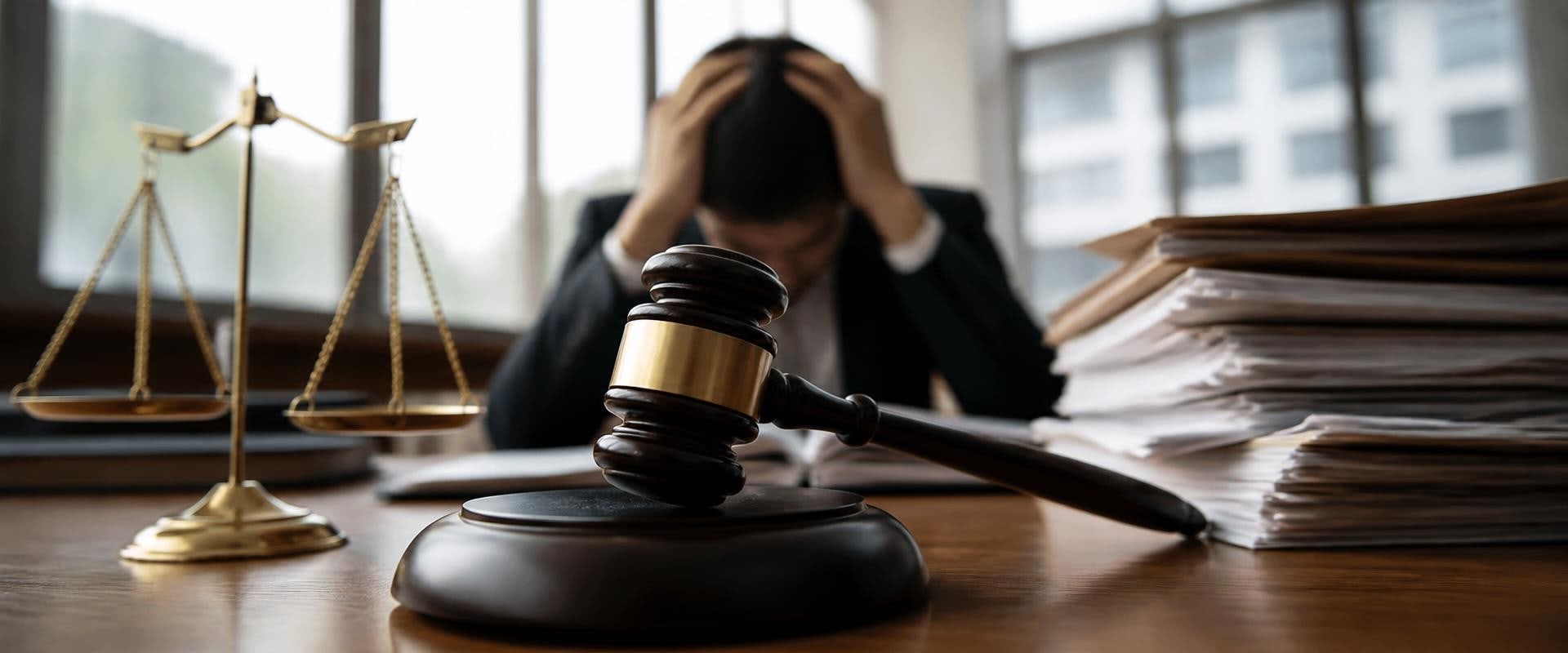
In the complex world of business, bankruptcy and commercial litigation often intersect in ways that can significantly impact companies and their stakeholders. Understanding these implications is crucial for business owners, legal professionals, and investors alike. Bankruptcy serves as a legal mechanism for businesses facing insurmountable debt, allowing them to reorganize or liquidate their assets. However, this process does not occur in a vacuum; it can trigger a cascade of litigation issues that complicate the financial landscape.The implications of bankruptcy on commercial litigation are multifaceted.
For instance, when a company files for bankruptcy, it may halt ongoing lawsuits against it through an automatic stay, which can provide temporary relief from creditors. However, this protection can also lead to disputes over the validity of claims and the prioritization of debts. Creditors may find themselves embroiled in litigation to assert their rights or challenge the bankruptcy proceedings, creating a complex web of legal challenges that must be navigated carefully.Moreover, the outcomes of commercial litigation can influence the bankruptcy process itself. Settlements reached during litigation may affect the distribution of assets in bankruptcy, while unresolved disputes can delay proceedings and complicate the reorganization efforts.
As such, understanding the interplay between bankruptcy and commercial litigation is essential for anyone involved in business operations or legal practices. This section sets the stage for a deeper exploration of how these two areas interact and what stakeholders need to consider when facing potential bankruptcy scenarios.
Overview of Commercial Litigation
Commercial litigation refers to the legal disputes that arise in the course of business operations. These disputes can involve a variety of issues, including contracts, partnerships, and corporate governance. Understanding the nuances of commercial litigation is crucial for businesses, especially when navigating complex legal landscapes.Types of Commercial Litigation
- Contract Disputes: These are among the most common types of commercial litigation, arising when one party fails to fulfill their contractual obligations.
- Business Torts: This includes wrongful acts that cause harm to a business, such as fraud or misrepresentation.
- Intellectual Property Disputes: Businesses often engage in litigation over patents, trademarks, and copyrights to protect their innovations and brand identity.
- Partnership Disputes: Conflicts between partners regarding the management or direction of a business can lead to litigation.
- Employment Disputes: Issues related to employment contracts, wrongful termination, or workplace discrimination can also fall under commercial litigation.
The Commercial Litigation Process
The process of commercial litigation typically involves several stages:- Pleadings: This initial stage involves the filing of complaints and responses by the parties involved.
- Discovery: Both parties gather evidence through depositions, interrogatories, and document requests.
- Pre-Trial Motions: Before the trial begins, parties may file motions to resolve certain issues or dismiss parts of the case.
- Trial: If the case proceeds to trial, both sides present their arguments and evidence before a judge or jury.
- Post-Trial Motions and Appeals: After a verdict is reached, parties may seek to appeal the decision or file motions for reconsideration.
The implications of bankruptcy can significantly alter the dynamics of ongoing litigation, affecting everything from contract enforcement to the resolution of disputes.
Understanding Bankruptcy: Types and Processes
Understanding the different types of bankruptcy is crucial for businesses involved in commercial litigation. The two most common forms are Chapter 7 and Chapter 11, each serving distinct purposes and processes.Types of Bankruptcy
- Chapter 7 Bankruptcy: Often referred to as liquidation bankruptcy, Chapter 7 involves the sale of a debtor's non-exempt assets by a trustee. The proceeds are then distributed to creditors. This type is typically suited for individuals or businesses that cannot repay their debts and wish to eliminate most unsecured debts.
- Chapter 11 Bankruptcy: Known as reorganization bankruptcy, Chapter 11 allows businesses to continue operations while restructuring their debts.
This process is more complex and often involves negotiations with creditors to create a feasible repayment plan. It is commonly used by larger corporations but can also be beneficial for small businesses.
The Bankruptcy Process
The bankruptcy process generally begins with the filing of a petition in federal court. This petition includes detailed financial information about the debtor's assets, liabilities, income, and expenses. Following the filing:- A stay is imposed, halting most collection actions against the debtor.
- A meeting of creditors is scheduled, allowing them to question the debtor under oath.
- If Chapter 7 is filed, a trustee is appointed to oversee asset liquidation.
In Chapter 11, the debtor proposes a reorganization plan that must be approved by creditors and the court.
The Intersection of Bankruptcy and Commercial Litigation
Understanding the implications of bankruptcy on commercial litigation is crucial for businesses navigating financial distress. When a company files for bankruptcy, it triggers an automatic stay, which halts most ongoing lawsuits against the debtor. This legal protection is designed to give the bankrupt entity a chance to reorganize or liquidate its assets without the pressure of litigation.Automatic Stays and Their Impact
- The automatic stay prevents creditors from pursuing collection actions, which can significantly affect commercial litigation cases that are already in progress.
- This means that any pending lawsuits against the bankrupt entity are paused, potentially delaying justice for plaintiffs seeking damages.
Creditors must file claims in the bankruptcy court to recover debts owed to them, which can complicate existing litigation strategies. The bankruptcy process prioritizes certain claims over others, often leaving unsecured creditors with little to no recovery.
Claims Against Bankrupt Entities
- In many cases, plaintiffs may find themselves as unsecured creditors in the bankruptcy proceedings, which can diminish their leverage in negotiations.
- This shift in status can lead to a reevaluation of how businesses approach their litigation strategies when dealing with a bankrupt opponent.
Litigation During Bankruptcy
- While some lawsuits are stayed, certain actions may still proceed, particularly if they involve non-debtors or if the court grants relief from the stay.
- This creates a complex landscape where businesses must carefully assess their options and potential outcomes.
Implications for Creditors in Commercial Litigation Post-Bankruptcy
When a debtor files for bankruptcy, the landscape of commercial litigation changes significantly for creditors. Understanding the implications of this legal process is crucial for creditors seeking to recover debts.Creditor Rights in Bankruptcy
- Upon the filing of bankruptcy, an automatic stay is imposed, which halts all collection activities against the debtor.
This means that creditors cannot pursue litigation or enforce judgments until the bankruptcy case is resolved.
- Creditors must file a proof of claim to participate in the bankruptcy proceedings and assert their rights to recover debts. This document outlines the amount owed and the basis for the claim.
- Secured creditors have priority over unsecured creditors in bankruptcy proceedings. They can reclaim collateral if the debtor fails to meet obligations, which can influence strategies in commercial litigation.
Strategies for Debt Recovery
- Creditors should assess whether they hold secured or unsecured claims. This distinction will guide their approach in both bankruptcy and potential subsequent litigation.
- Engaging with a bankruptcy attorney can provide insights into navigating the complexities of the process and maximizing recovery chances.
- After bankruptcy proceedings conclude, creditors may explore options such as negotiating settlements or pursuing litigation if debts remain unpaid.
Staying informed about the evolving legal landscape is essential for effective debt recovery post-bankruptcy.
Impact on Contractual Obligations and Business Relationships
When a business files for bankruptcy, the implications for its contractual obligations can be profound, particularly in the realm of commercial litigation. Understanding these implications is crucial for both creditors and debtors as they navigate the complexities of bankruptcy proceedings.One of the primary effects of bankruptcy on contracts is the automatic stay that halts all collection activities against the debtor. This means that existing contracts may be temporarily suspended, affecting ongoing business relationships. For instance, suppliers may find themselves unable to enforce payment terms, while customers may face disruptions in service delivery.Rejection of Contracts
Under bankruptcy law, a debtor has the option to reject certain contracts that are deemed burdensome.This rejection can lead to significant losses for the other party involved in the contract. For example:
- Suppliers may lose a long-term customer without compensation.
- Service providers might have to absorb costs associated with unfulfilled contracts.
Impact on Business Relationships
The fallout from bankruptcy extends beyond legal obligations; it can also strain business relationships. Trust is often eroded when one party cannot fulfill its contractual commitments. This erosion can lead to:- Loss of future business opportunities, as partners may hesitate to engage with a company that has declared bankruptcy.
- Increased scrutiny from creditors and stakeholders, who may question the viability of ongoing partnerships.
Proactive measures, such as renegotiating terms or seeking alternative arrangements, can help mitigate some of these impacts and preserve valuable business connections.
Litigation Strategies in Light of Bankruptcy Proceedings
When navigating commercial litigation involving a counterparty in bankruptcy, it is crucial to adopt tailored litigation strategies that account for the complexities introduced by the bankruptcy process. Understanding these implications can significantly influence the outcome of legal proceedings.Assessing the Bankruptcy Filing
The first step in formulating an effective strategy is to thoroughly assess the nature of the bankruptcy filing. Determine whether it is a Chapter 7 liquidation or a Chapter 11 reorganization, as this will dictate the available options for litigation. In Chapter 11 cases, for instance, creditors may have more leverage to negotiate settlements or pursue claims against the debtor.Prioritizing Claims
Creditors should prioritize their claims based on the type of debt and its standing in the bankruptcy hierarchy.Secured creditors often have a stronger position than unsecured creditors, which can influence litigation strategies. Understanding where your claim fits within this hierarchy can help in deciding whether to pursue litigation or negotiate a settlement.
Utilizing Adversary Proceedings
In some cases, initiating an adversary proceeding may be necessary to resolve disputes regarding the validity of claims or to seek relief from the automatic stay imposed by bankruptcy. This legal action can clarify rights and obligations and may lead to favorable outcomes for creditors.Engaging in Mediation
Mediation can be an effective tool during bankruptcy proceedings. It allows parties to explore settlement options without the costs and uncertainties associated with litigation.Engaging in mediation early can often lead to more favorable terms than those achieved through prolonged litigation.
Monitoring Bankruptcy Developments
Finally, staying informed about developments in the bankruptcy case is essential. Changes in the debtor's financial situation or restructuring plans can impact litigation strategies. Regularly reviewing court filings and participating in creditor meetings can provide valuable insights that inform your approach.In conclusion, adapting litigation strategies in light of bankruptcy proceedings requires a nuanced understanding of both legal frameworks and practical considerations. By prioritizing claims, utilizing adversary proceedings, engaging in mediation, and monitoring developments, parties can navigate commercial litigation more effectively during these challenging times.Frequently Asked Questions about Bankruptcy and Commercial Litigation
Understanding the implications of bankruptcy on commercial litigation can be complex.Here are some frequently asked questions that can help clarify this intricate relationship:
- How does bankruptcy affect ongoing commercial litigation? When a business files for bankruptcy, it may lead to an automatic stay on ongoing litigation. This means that any lawsuits against the bankrupt entity are temporarily halted, allowing the company to reorganize its debts without the pressure of legal claims.
- Can creditors still pursue claims after bankruptcy? Yes, creditors can pursue claims, but they must adhere to the bankruptcy process. Depending on the type of bankruptcy filed (Chapter 7 or Chapter 11), creditors may have limited options for recovery, and some claims may be discharged entirely.
- What happens to contracts during bankruptcy? In many cases, contracts may be rejected or assumed during bankruptcy proceedings. This can significantly impact commercial litigation, especially if a party seeks to enforce a contract that has been rejected.
- Is it advisable to seek legal advice regarding commercial litigation after bankruptcy? Absolutely.
Consulting with a legal expert who specializes in commercial litigation and bankruptcy is crucial. They can provide tailored advice based on the specific circumstances of your case and help navigate the complexities of both areas.
Conclusion: Key Takeaways on Bankruptcy's Impact on Commercial Litigation
In summary, the implications of bankruptcy on commercial litigation are multifaceted and significant. Understanding these implications is crucial for businesses, creditors, and legal practitioners alike.- Automatic Stay: One of the most immediate effects of bankruptcy is the imposition of an automatic stay, which halts all ongoing litigation against the debtor.
This can provide the debtor with much-needed relief but complicates matters for creditors seeking to recover debts.
- Claims Process: Bankruptcy introduces a structured claims process that requires creditors to file proofs of claim. This process can alter the dynamics of commercial litigation, as creditors may find themselves in a queue behind other claimants, potentially diminishing their recovery prospects.
- Preference Actions: In bankruptcy proceedings, trustees may pursue preference actions to recover payments made to creditors shortly before the bankruptcy filing. This can lead to unexpected litigation for creditors who believed they had settled their debts.
- Impact on Contracts: Bankruptcy can also affect existing contracts. The debtor may reject certain contracts, which can lead to litigation over damages or enforcement of remaining agreements.
- Litigation Strategy: For businesses involved in commercial litigation, understanding a debtor's bankruptcy status is essential for developing effective legal strategies.
This knowledge can influence settlement negotiations and litigation timelines.